
Uncategorized
Large Study Finds Medical Cannabis Effective Treatment for Chronic Pain
Future research should compare the risks of adverse events of medical cannabis and cannabinoids with alternative pain management options, including opioids and adjust for potential confounders. We downgraded the certainty of evidence when we observed important inconsistency and we did not present estimates from meta-analyses for all adverse events and adverse events leading to discontinuation due to substantial inconsistency. We observed some inconsistency for many adverse events of interest and substantial inconsistency for all adverse events and adverse events leading to discontinuation.
The Q-model (also known as the outcome model), https://vapebeat.com/vape-news/weed-cannabis/its-2025-and-cannabis-is-still-illegal-in-the-uk/ was simultaneously fitted to forecast healthcare utilization and days of poor health for both cannabis-exposed and unexposed groups. Initially analyzed as a continuous variable, it represented the monthly total of unhealthy days. Furthermore, we assessed self-reported quality of life by utilizing the CDC’s Healthy Days measure (CDC HRQOL-4) 56,57, which prompts participants to indicate how many days in the previous month they faced poor physical or mental health. The dataset incorporated organized, self-reported health and demographic data acquired during the certification or recertification process of the patients’ medical cards. Moreover, this receptor engagement seems to mitigate neuroinflammatory cascades by affecting immunomodulatory pathways.
One participant believed their medical cannabis treatment improved diabetes management. I take less valium when I go to sleep because I take medical marijuana. ” 67 years, male I would put cream on it every day, now it would be every other day or 3 days. Participants also reported that medical cannabis reduced their need for other medications and effectively substituted prescription medications including Xanax, Meloxicam, Tramadol, and Oxycontin while leading to fewer side effects. Participants reported various health improvements attributed to medical cannabis in addition to perceived effectiveness for chronic pain relief. Overall, most study participants reported medical cannabis effectively reduced their chronic pain, but several study participants mentioned not observing changes in pain intensity and limits in the pain treatable by medical cannabis products.
Our systematic review and meta-analysis found very low certainty evidence that suggests adverse events are common among people living with chronic pain using medical cannabis or cannabinoids (but that serious adverse events), adverse events causing discontinuation, cognitive adverse events, motor vehicle accidents, falls, and dependence and withdrawal syndrome are less common. Our systematic review and meta-analysis shows that evidence regarding long-term and serious harms of medical cannabis or cannabinoids is insufficient—an issue with important implications for patients and clinicians considering this management option for chronic pain. This may have overestimated the prevalence of adverse events if the adverse events of interest were not observed in the studies in which they were not reported. One study suggested that herbal cannabis compared with standard care may slightly increase the risk of withdrawal syndrome (0.5%; 95% CI −0.4% to 1.4%) but the certainty of evidence was low due to risk of bias. One study suggested herbal cannabis may slightly increase the risk for memory impairment and disturbances in attention compared with standard care without cannabis (but reduce the risk for confusion), though the certainty of evidence was low to very low due to risk of bias and imprecision.
Chronic Pain In The United States
“With the exception of opioids, most pain-relieving medications are barely better than a placebo,” he says. The researchers found that participants receiving active treatment and participants receiving placebo reported similar levels of pain relief. This meta-analysis of 20 randomized controlled studies considered the effect of positive media attention on patient expectations for pain relief from cannabis products. Until then — a cautious approach is recommended, weighing the evidence and individual patients’ needs, without succumbing to public pressure. There is evidence that higher doses and higher initial cannabinoid doses (as well as fast titration), can increase adverse events, with no symptomatic benefits (sometimes related to as an upside down “U”-shaped response curve).58,59 This has been attributed by some researchers to the non-linear concentration-effect curve of cannabis.
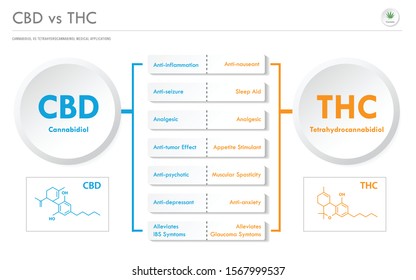
At the same time, the combination of cannabinoids helps minimize the undesirable side effects of some cannabinoids such as the psychoactivity of THC. Medical users spent less money on cannabis — about $127 per month, compared to combined users ($186), and used it far less frequently (1-3 times a week vs. multiple times a day). Medical users were more likely to be female — and to live in households with children.
1. Study Design and Population
For this reason, researchers hope to discover pain relievers that act on the body in a different way than opiates do. On average, the researchers reported, patients who received levonantradol after surgery experienced significantly greater pain relief than those who got the placebo. But since these tests were only performed “approximately every one to two weeks,” it is quite likely that the participants had already developed tolerance to the pain-relieving effects of THC by the time the tests were performed.
So, what medical advice can family physicians give in today’s world of mixed messages about medical-use cannabis and recreational/adult-use cannabis? Although we are learning much about cannabis and potential therapeutic roles of this plant, physicians should discuss risks and benefits of what is known and what we are learning. In addition, procedures should be postponed if the patient experiences acute cannabis toxicity and has impairment in their decision making capacity , Grade A,. The guidelines recommend universal screening for amount and frequency of cannabis use — type of cannabis product, time of last consumption, and route of administration (Grade A). Other notable interactions include substrates of the CYP2D6 enzyme (which includes several opioids), antidepressants, antipsychotics, antiarrhythmic and β blocker medications. In addition (coadministration of cannabis with tricyclic stimulants), sympathomimetics, and antidepressants may cause tachycardia.
Future research should directly compare the effectiveness of opioids versus cannabis for chronic pain, and follow patients sufficiently to inform long-term benefits and harms. We conducted a comprehensive search strategy (including grey literature from ClinicalTrials.gov), used the GRADE approach to appraise the certainty of evidence for treatment effects and followed GRADE guidance for communicate our findings. Our study, which is the first NMA exploring the comparative effectiveness of cannabis for medical use and opioids for chronic non-cancer pain, has several strengths. Moderate to high certainty evidence showed that neither opioids nor cannabis for medical use were effective for improving emotional, social or role functioning among people living with chronic pain.

And the euphoric lift that attracts recreational users to marijuana could benefit people with anxiety-producing disorders such as AIDS or cancer. In addition to the clinical trials already discussed, a handful of case studies and surveys have addressed the ability of marijuana or cannabinoids to relieve pain. On the other hand, patients tended to have a greater sense of well-being and less anxiety after taking THC than they did under the influence of codeine.6 In a subsequent study the same researchers compared the effects of a single potent dose of THC with that of a relatively weak narcotic pain reliever, codeine. On days when patients received the two highest doses—15 and 20 milligrams of the drug, as compared with 0, 5, or 10 milligrams—they reported significant pain relief. Each patient received the entire range of pills (which were identical in appearance), over successive days.
Marijuana use at younger ages and daily consumption are additional risk factors for addiction . These compounds activate CB1 receptors to increase dopamine in the brain’s reward circuit (which can lead to craving), drug-seeking behavior, and dependence . Furthermore, placebo responses in pain studies are notoriously high, often exceeding 30% in some trials, which may obscure true treatment effects and lead to conflicting conclusions. The use of different pain assessment scales, ranging from numerical rating scales (NRS) to visual analog scales (VAS) and qualitative patient-reported outcomes, introduces additional variability. Pain perception is influenced by multiple factors (including psychological state), baseline pain sensitivity, and comorbid conditions such as anxiety or depression.
Combining CBD with a Vegan diet proves highly beneficial. If I’m not feeling tired, the Indica strain would assist in putting me to sleep and keep me resting. 38 years old, male” According to participant feedback, side effects during medical cannabis therapy varied from unwanted highs and stomach problems to ‘choking’ during vaping, sleep disruption, and reports of overdose on Indica THC products. Medical cannabis is effective but does not enjoy being high. 65 years old, male
The use of random forests accounted for 10.5% of hospital visits and 18.3% of unhealthy days, indicating that tree-based models offered additional predictive insights in these areas. A “living systematic review” refers to a research methodology that continuously integrates new findings as they emerge. Nowadays, public perception of cannabis mirrors that of opioids several decades ago. Each individual experiences pain in a unique way.10 Approximately 100 million adults in the United States endure chronic pain on a daily basis.11 Pain accounts for over half of all annual doctor appointments and results in more than $600 billion each year in healthcare costs and lost productivity.1,12
 Go Electric